
Blog
Restoring Ecosystems to Their Pre-Industrial Balance: A Natural Solution to Climate Change

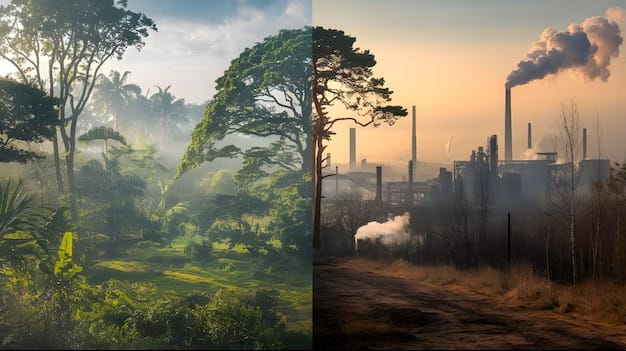
Restoring ecosystems to their pre-industrial balance offers a powerful, nature-based solution to climate change through reviving the planet’s natural capacity to store carbon, protect biodiversity, and sustain life, while strengthening human and ecological resilience in the face of a warming world.
For thousands of years, Earth’s ecosystems maintained a delicate harmony that sustained all forms of life. Forests absorbed carbon, wetlands purified water, grasslands regulated rainfall, and oceans balanced the global climate. However, this equilibrium began to unravel with the Industrial Revolution, as urbanization, deforestation, and fossil fuel consumption reshaped the natural landscape.
Today, the consequences are visible: rising global temperatures, melting ice caps, biodiversity loss, and extreme weather events. Yet, amid these challenges, restoration offers hope. By reviving degraded ecosystems and restoring them to their pre-industrial conditions, we can reestablish nature’s own mechanisms for climate regulation and adaptation.
Nature’s Carbon Storage System
Before industrialization, Earth’s forests and soils acted as massive carbon reservoirs, keeping atmospheric CO₂ levels stable. But widespread land conversion and deforestation released enormous amounts of stored carbon, amplifying global warming. Restoration reverses this process; through reforestation and afforestation, degraded landscapes can once again function as natural carbon sinks. Healthy forests not only absorb CO₂ but also stabilize water cycles, reduce erosion, and provide habitats for diverse species creating a ripple effect that enhances global climate stability.
Wetlands and Mangroves: The Natural Defenders
As we transition from land to coast, another key player emerges—wetlands and mangroves. These ecosystems, often overlooked, are among the planet’s most efficient carbon sinks, storing up to five times more carbon per hectare than tropical forests. However, industrial development and coastal expansion have led to their rapid decline. Restoring these ecosystems is critical, not only for carbon sequestration but also for protecting communities. Mangroves and wetlands act as natural barriers against floods and storms, safeguard shorelines from erosion, and sustain fisheries that support millions of livelihoods. They demonstrate that ecological restoration and human well-being can go hand in hand.
Biodiversity Revival and Ecosystem Stability
Healthy ecosystems thrive on diversity. Yet, industrial expansion fragmented habitats and drove many species to extinction, weakening nature’s resilience. Restoring biodiversity by reintroducing native species, reconnecting fragmented habitats, and allowing natural regeneration, strengthens ecosystem networks and enhances adaptive capacity. Diverse ecosystems are more capable of withstanding droughts, pests, and temperature extremes. Moreover, they provide essential services such as pollination, water purification, and nutrient cycling, all of which are fundamental to human survival and sustainable development.
Soil Regeneration: Healing from the Ground Up
While forests and wetlands capture attention, the ground beneath our feet holds another climate ally: soil. Industrial agriculture has depleted soils of organic matter, reducing their ability to store carbon and retain water. Restoring soil health through permaculture, regenerative agriculture, agroforestry, and rewilding helps rebuild this lost capacity. Healthy soils absorb carbon, improve food security, and enhance resilience to drought and floods. In many ways, soil restoration represents the foundation of ecosystem recovery—healing the land to heal the planet.
Integrating Traditional and Indigenous Knowledge
Ecosystem restoration is not solely a scientific pursuit but it is also a cultural and ethical one. Indigenous and local communities have long practiced sustainable land management rooted in coexistence with nature. By integrating traditional ecological knowledge with modern restoration science, we can ensure that restoration efforts are locally appropriate, culturally respectful, and ecologically effective. This partnership between traditional wisdom and contemporary science is key to long-term sustainability and community empowerment.
Toward a Nature-Positive Future
The restoration of ecosystems is not a backward step—it is a forward-looking strategy. According to global research, nature-based solutions, including large-scale ecosystem restoration, could provide over one-third of the climate mitigation needed by 2030 to meet the Paris Agreement targets. Restoring nature to her pre-industrial vitality is about balance, not nostalgia. It’s about learning from the harmony we once had and applying that wisdom to build a resilient, net-zero future. When ecosystems are restored, they return the favor—absorbing carbon, buffering climate impacts, and nurturing the biodiversity that sustains life on Earth.
Conclusion
Restoring ecosystems is more than an environmental intervention: it is a moral, ecological, and developmental necessity. Industrial progress came at the cost of nature’s balance, but through restoration, we can redefine progress itself. By reviving forests, wetlands, soils, and biodiversity to their natural strength, we empower the planet’s own systems to combat climate change.
