Blog
Soil: Our Natural Asset for a Sustainable Future

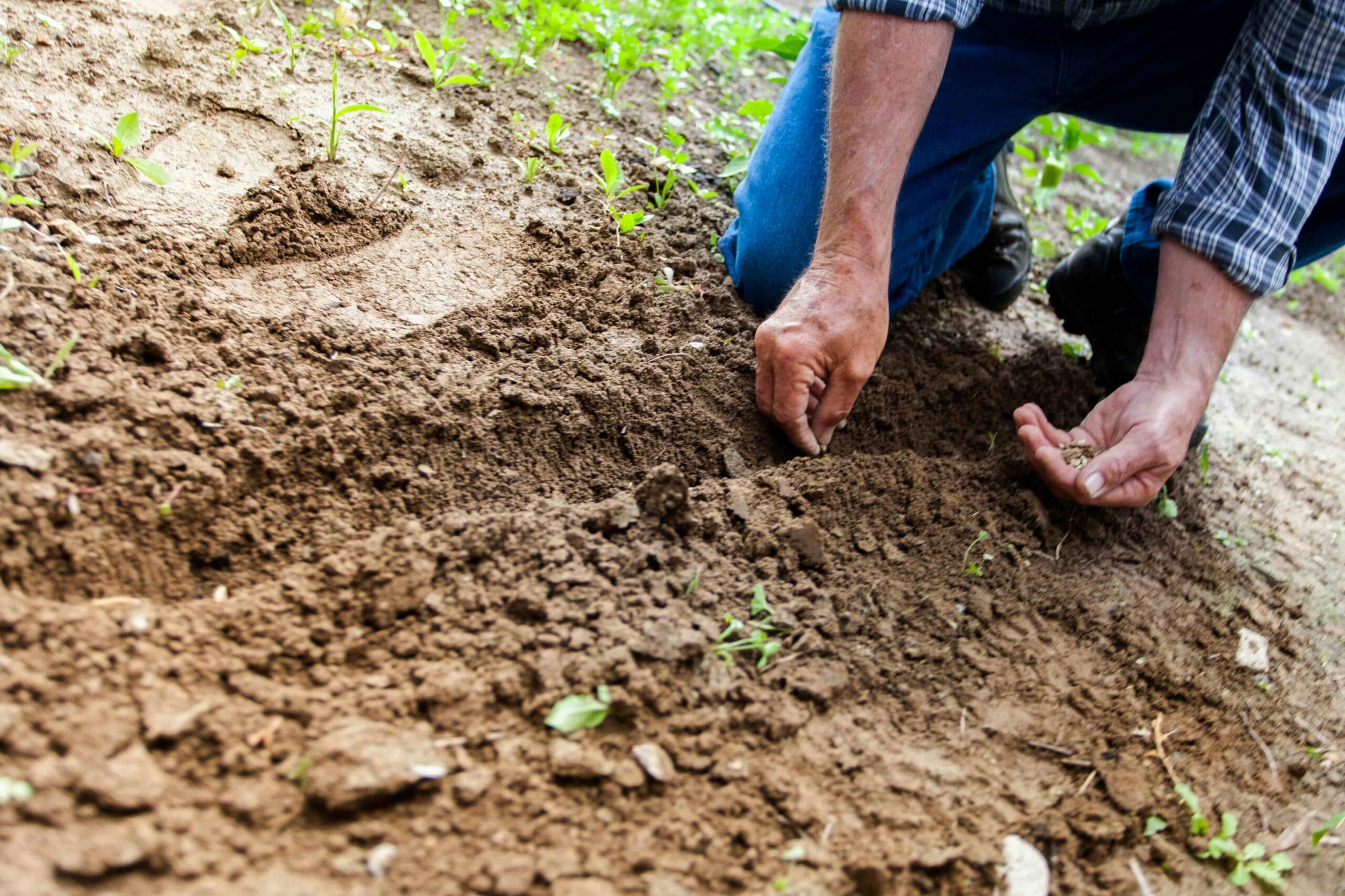
Soil is more than just dirt beneath our feet—it’s the foundation of life on Earth. It nurtures our crops, filters our water, stores carbon, and supports countless organisms that keep our ecosystems alive. Yet, this vital natural asset is often overlooked and undervalued. Around the world, soil degradation is becoming a silent crisis that threatens food security, climate stability, and biodiversity.
According to the United Nations, nearly one-third of the planet’s soil is already degraded due to erosion, pollution, overuse of chemicals, and unsustainable land management. Without healthy soil, there can be no healthy food, forests, or future. Recognizing soil as a living, valuable resource is the first step toward protecting it—and our planet.
The Value of Healthy Soil
Healthy soil acts as nature’s bank account. It stores essential nutrients, organic matter, and moisture—everything plants need to thrive. It also plays a major role in carbon storage, helping regulate the Earth’s climate. In fact, soils store more carbon than the atmosphere and all vegetation combined.
For farmers, fertile soil means higher productivity, lower costs for fertilizers, and greater resilience to droughts and floods. For communities, it means secure food supplies and a cleaner environment. Simply put, soil health equals human health.
Threats to Our Soil Resource
Despite its importance, soil is being lost at alarming rates. Unsustainable agricultural practices—such as excessive tillage, chemical dependency, and monocropping—strip the land of its nutrients and structure. Urbanization seals fertile land under concrete, while deforestation leaves soil exposed to erosion.
Climate change worsens the problem. Intense rainfall washes away topsoil, while prolonged droughts make it harder for organic matter to regenerate. Without urgent action, global soil fertility could decline dramatically within decades, reducing crop yields and increasing food insecurity.
Restoring Soil Health: A Smarter Way Forward
The good news is that soil can recover—if we manage it wisely. Regenerative and sustainable land management practices are already showing promise across the world.
Some key solutions include:
Organic composting and mulching: These improve soil fertility and moisture retention.
Cover cropping: Planting cover crops prevents erosion and adds organic matter.
Reduced tillage: Minimizing plowing protects soil structure and microbial life.
Agroforestry: Integrating trees with crops stabilizes soil and enhances biodiversity.
Integrated nutrient management: Balancing organic and chemical fertilizers optimizes plant growth without depleting the soil.
By restoring soil health, these approaches not only boost yields but also capture carbon, reduce emissions, and make farming more climate-resilient.
Investing in the Future
Governments, development agencies, and local communities must treat soil as a strategic natural asset. Investments in soil research, farmer training, and soil conservation incentives are critical. Protecting soil means protecting livelihoods—especially for smallholder farmers who depend on it most.
Healthy soil underpins sustainable agriculture, clean water, and resilient ecosystems. By valuing and restoring it today, we secure a sustainable future for generations to come.
In the end, soil is not just the ground we walk on—it’s the foundation of life itself. Protect it, enrich it, and it will continue to sustain us.
