
Blog
Biochar: A Smart and Sustainable Solution for Our Planet

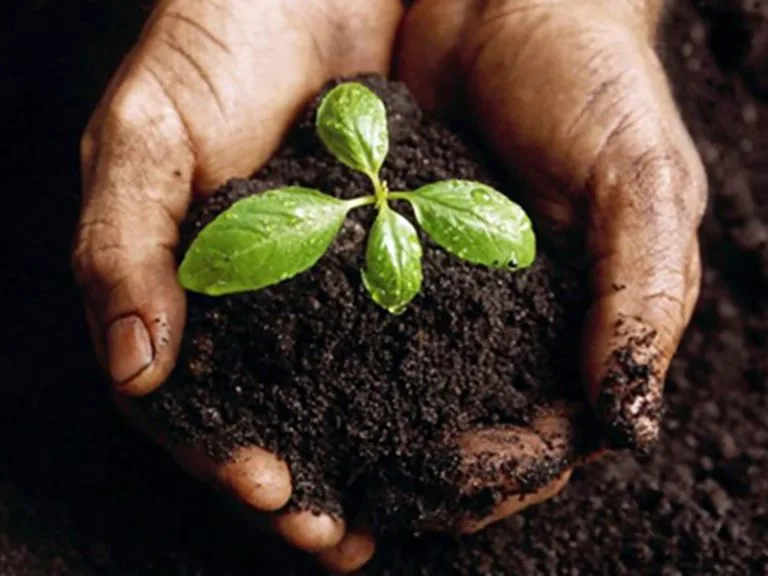
Biochar is a carbon-rich, charcoal-like material made from plant and organic waste such as crop residues, wood chips, and leaves. It’s produced through a process called pyrolysis, where these materials are heated in very low oxygen. Though it looks similar to charcoal, biochar serves a completely different purpose — it helps improve soil health, reduce pollution, and fight climate change.
A Centuries-Old Idea with Modern Importance
The concept of biochar actually comes from ancient times. Thousands of years ago, Indigenous farmers in the Amazon used a dark, fertile soil called Terra Preta to grow crops. Scientists later discovered that this soil’s secret ingredient was charred organic matter — essentially, biochar. Today, researchers are bringing back this old idea to solve modern agricultural and environmental problems.
Why Biochar Matters
Improves Soil Health
Biochar makes the soil richer and more fertile. It helps the soil retain water and nutrients, creating a better environment for plants to grow. Its porous structure gives a home to helpful soil microbes that boost plant growth naturally.
Helps Fight Climate Change
When biochar is buried in the soil, it locks away carbon for hundreds of years, preventing carbon dioxide from returning to the atmosphere. This makes it an effective tool for reducing greenhouse gas emissions and slowing down global warming.
Manages Organic Waste
Turning agricultural and household waste into biochar keeps it from becoming pollution. Instead of burning or dumping it, we can recycle waste into something valuable and eco-friendly.
Increases Crop Production
Farmers who use biochar often see better yields and healthier crops. It can cut down the need for chemical fertilizers, saving money and protecting the environment at the same time.
A Friend to the Environment
Biochar does more than just help crops—it also protects the environment. It reduces soil acidity, prevents fertilizer runoff into rivers, and decreases harmful gases like methane and nitrous oxide. Because of its ability to store carbon for centuries, many scientists call biochar a “carbon-negative” technology.
The Promise for Bangladesh
In a country like Bangladesh, where farming is vital to the economy, biochar could be a game-changer. Materials like rice husks, jute sticks, and crop residues are easy to find and can be used to make biochar at low cost. Using it can make soils more fertile, boost food security, and help communities adapt to climate change.
In Conclusion,
Biochar offers a simple but powerful way to make farming more sustainable. It turns waste into value, strengthens the soil, and captures carbon that would otherwise heat up our planet. With the right training and support, biochar could become one of Bangladesh’s best tools for building a greener, more resilient future.
