
Blog
How Is Our Soil Doing? (কেমন আছে মাটি?)

Soil is the living foundation of our planet, silently sustaining life, ecosystems, and human civilization. As an agriculturist with a background in soil science and ongoing studies in climate change and development, I have come to realize that soil is not just a natural resource—it is a living system that breathes, evolves, and responds to the way we treat it.
Every grain of soil supports our crops, regulates water, cycles nutrients, and stores carbon. It hosts nearly a quarter of the Earth’s biodiversity, including beneficial microbes, fungi, insects, and earthworms. Healthy soil filters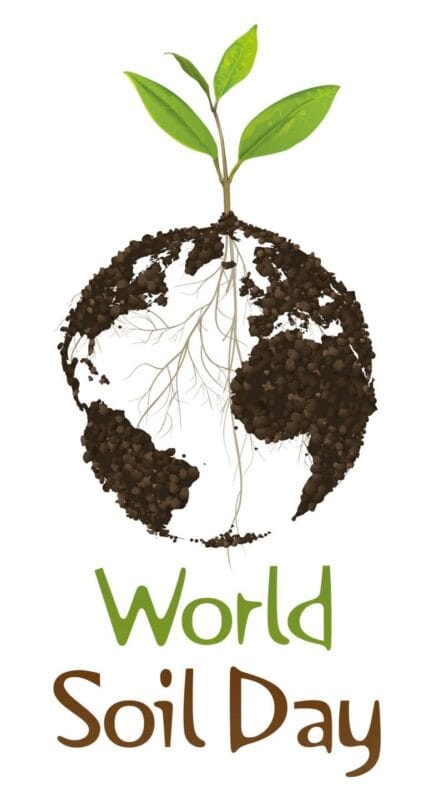 water, reduces pollution, and acts as a major carbon sink, helping mitigate climate change. From feeding billions to maintaining ecological balance, soil performs countless services for us without ever asking for anything in return. Yet the question remains: What are we giving back to the soil?
Unfortunately, the answer is often pollution, neglect, and overexploitation. Over 33% of global soils are already degraded, according to FAO. Excessive use of chemical fertilizers and pesticides destroys soil microbes and reduces natural fertility. Industrial waste, plastic contamination, and unplanned urbanization suffocate soil pores. Instead of enriching the soil with organic matter, we frequently extract more than we return. The soil that nurtures our food is itself becoming nutrient-starved, hardened, and chemically imbalanced.
Climate change adds another layer of stress. Rising temperatures accelerate organic matter decomposition while reducing soil moisture. Irregular rainfall leads to erosion, salinity, and nutrient leaching. In Bangladesh, riverbank erosion, coastal salinity, and drought-affected northern regions show how climate impacts soil health directly. Floods wash away fertile topsoil, while droughts weaken microbial communities essential for nutrient cycling. The soil—our silent guardian—is struggling to maintain its balance under human pressure and climatic shocks.
So, how is our soil doing? The truth is: it is suffering, but it can recover if we act now. Regenerative practices such as composting, mulching, reduced tillage, crop rotation, integrated nutrient management, and the use of biofertilizers can rebuild soil structure and restore microbial life. Conserving organic matter, preventing pollution, and protecting soil biodiversity are essential for sustained productivity. Promoting climate-smart agriculture—such as drought-tolerant crops, water-efficient irrigation, and carbon-farming—can improve both soil health and resilience.
On World Soil Day, let us remember that healthy soil means healthy food, healthy ecosystems, and a healthy society. The soil has given us everything—now it is our responsibility to protect, nourish, and restore it.
By Afrina Momotaj
– Climate Smart Agriculturist and Researcher
