
Blog
Beneath the Concrete: Our Cities’ Hidden Lifeline

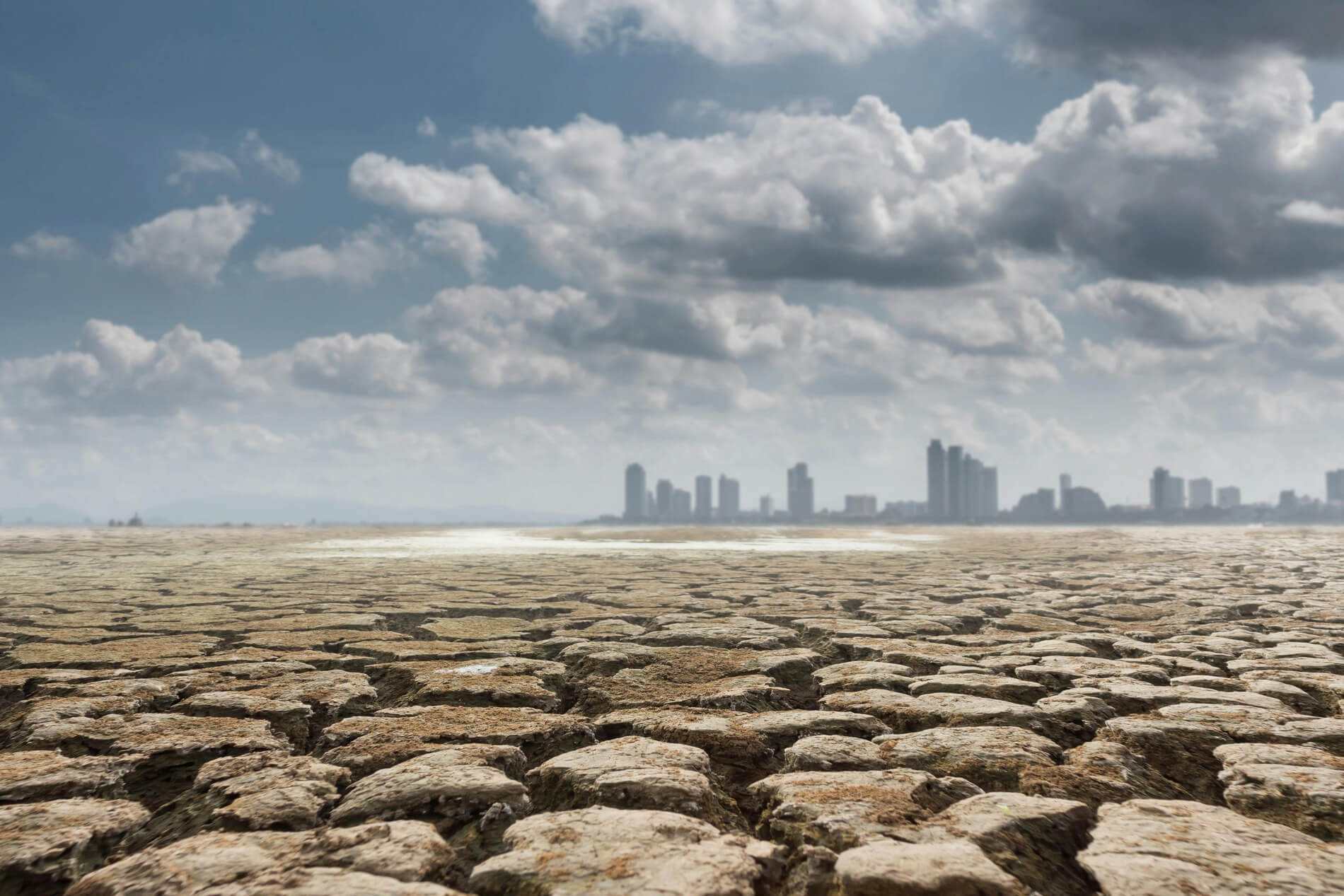
The 2025 World Soil Day theme, “Healthy Soils for Healthy Cities,” is not a gentle suggestion in Bangladesh,it is an existential contract that defines our national security. Over 95 percent of our food depends on soil, yet our sprawling metropolises, Dhaka, Chattogram, are built upon land that is both rapidly diminishing hundreds of kilometers away and actively being suffocated beneath our feet. The health of our cities rests on two pillars: the fertility of the distant fields and the permeability of the ground we walk on every day. Soil degradation is no longer a remote issue; it is the engine driving urban fears: soaring food prices, massive climate migration, and an insidious public health crisis.
The crisis we face is a quiet collapse, paid for by the city dweller in rising vulnerability. This decline stems from four interwoven pressures.
First is the great hunger of the rural soil. The rich, spongy earth, vital for nutrient storage, is turning to pale dust. Decades of intensive harvests have resulted in nutrient mining, where essential micronutrients like Potassium and Zinc are continually drained. This theft directly enters our urban food supply as micronutrient deficiencies, subtly weakening the health of millions.
Second is the sea’s relentless advance. Along the coastal belt, saltwater intrusion and intense cyclones seize farmland, pushing contamination into over half the arable land. This environmental catastrophe creates a relentless stream of internal refugees. When farming families are forced to abandon their land, they arrive in our urban centers with nothing, overwhelming infrastructure, escalating housing crises, and directly sabotaging urban stability.
Third is the poison in the basket. The growth of industry introduces persistent toxins like Cadmium and Chromium into irrigation canals via untreated waste. These invisible poisons accumulate in the vegetables we consume, creating hidden public health risks for city dwellers.
Finally, the unique urban threat: the sealed earth. Beneath our asphalt, buildings, and pavements lies soil that, if exposed and vegetated, regulates temperature, absorbs floodwaters, and sequesters carbon. When we seal it with cement, it loses these functions, making our cities vulnerable to the devastating consequences of flooding, overheating, and pollution. This sealing turns our cities against us.
The Rebuilding: A Shared Call to Action
We hold the keys to restoring the earth’s own genius through Nature-based Solutions (NBS). This healing process requires collective heroism across three vital levels:
At the individual and farming level, the shift is one of profound stewardship, beginning with every farmer who says no to excessive tilling. The adoption of Conservation Agriculture (CA), keeping the soil covered and rotating crops, halts erosion, nurtures the microbial biome, and most critically, improves water infiltration, slowing the dangerous rush of water toward the cities and mitigating downstream urban flooding. This stewardship must be coupled with bio-product innovation: shifting from synthetic dependency to feeding the soil with stable organic material like biofertilizers and biochar, which provides long-term structural enhancement. Every citizen, too, must act by fostering permeable spaces, whether on balconies or small community plots.
At the community and local policy level, resilience must be localized. Local governance must become an aggressive champion of peri-urban and urban agriculture. This means facilitating rooftop gardening, vertical farms, and the safe recycling of wastewater for green zone irrigation. This effort reduces the city’s reliance on distant, fragile supply chains and delivers safe, hyper-local produce straight to the consumer. Crucially, local policy must prioritize green infrastructure: replacing sealed surfaces with permeable paving, expanding urban tree canopy, and mandating green roofs. Communities must also be empowered to convert local waste and agricultural residue into valuable soil amendments, literally closing the nutrient and waste loop that currently burdens city landfills.
At the national and institutional level, systemic change is imperative. The Achilles’ heel of the current effort is fragmented governance, where policies on agriculture, environment, and city planning operate in isolation. A central coordinating mechanism is essential to deploy unified, landscape-level solutions supported by dedicated funding streams. To protect farmers making this risky transition, the government must guarantee economic safety nets, including subsidies for essential bio-products and secured prices for sustainably grown crops. Finally, the national agricultural extension system must be comprehensively retrained on the principles of soil biology and bioremediation, ensuring that critical knowledge stabilizes the source of the city’s sustenance.
The Horizon: Innovation for Our Shared Future
The defense of the city requires targeted future research to ensure our solutions are smarter and faster than the threats. Priority areas must include the development of highly efficient, locally adapted microbial inoculants for advanced bioremediation of heavy metal-contaminated sites. However, an immediate, low-cost solution lies in plant-based bioremediation, or Phytoremediation. This technique uses specific plants to clean contaminated soil. Two vital methods are Phytoextraction, where hyper-accumulating plants pull toxins from the soil and store them in their biomass, and Phytostabilization, where plants bind the contaminants in the root zone, preventing them from entering the food chain or water table. For the Bangladesh context, research must focus on identifying and utilizing native hyper-accumulators such as Indian Mustard (Brassica juncea) or certain varieties of Vetiver grass, which are already hardy and locally available, to clean areas contaminated by textile dyes and tannery waste near Dhaka and Chattogram. Researchers must also focus on breeding climate-smart crop varieties that are resilient to the extreme conditions of high salinity and severe drought, thus de-risking urban food security. Finally, the adoption of sophisticated digital tools, remote sensing and AI-driven soil mapping, will allow for surgical, real-time intervention, ensuring that limited resources are deployed precisely where they are needed most to protect the national food system and guide urban green infrastructure planning.
The crisis of soil degradation is the defining challenge to the stability and livability of Bangladesh’s urban future. By embracing Nature-based Solutions and committing to decisive, coordinated action across all levels, from the farmer protecting the earth to the citizen planting a container garden, we secure a future where food is guaranteed, environmental migration is mitigated, and public health is defended. The transition from land exploitation to land stewardship is the singular, non-negotiable step required for a healthy, secure, and stable Bangladesh. The time to reweave the future from the ground up is now.
ManoshiBhuiyan
-Environmentalist, COLOCAL Fellow 2025,
M.Sc student of Climate Change and Development at Independent University Bangladesh
