
Blog
The Existential Threat: Climate Change, Science, and the Future of Humanity

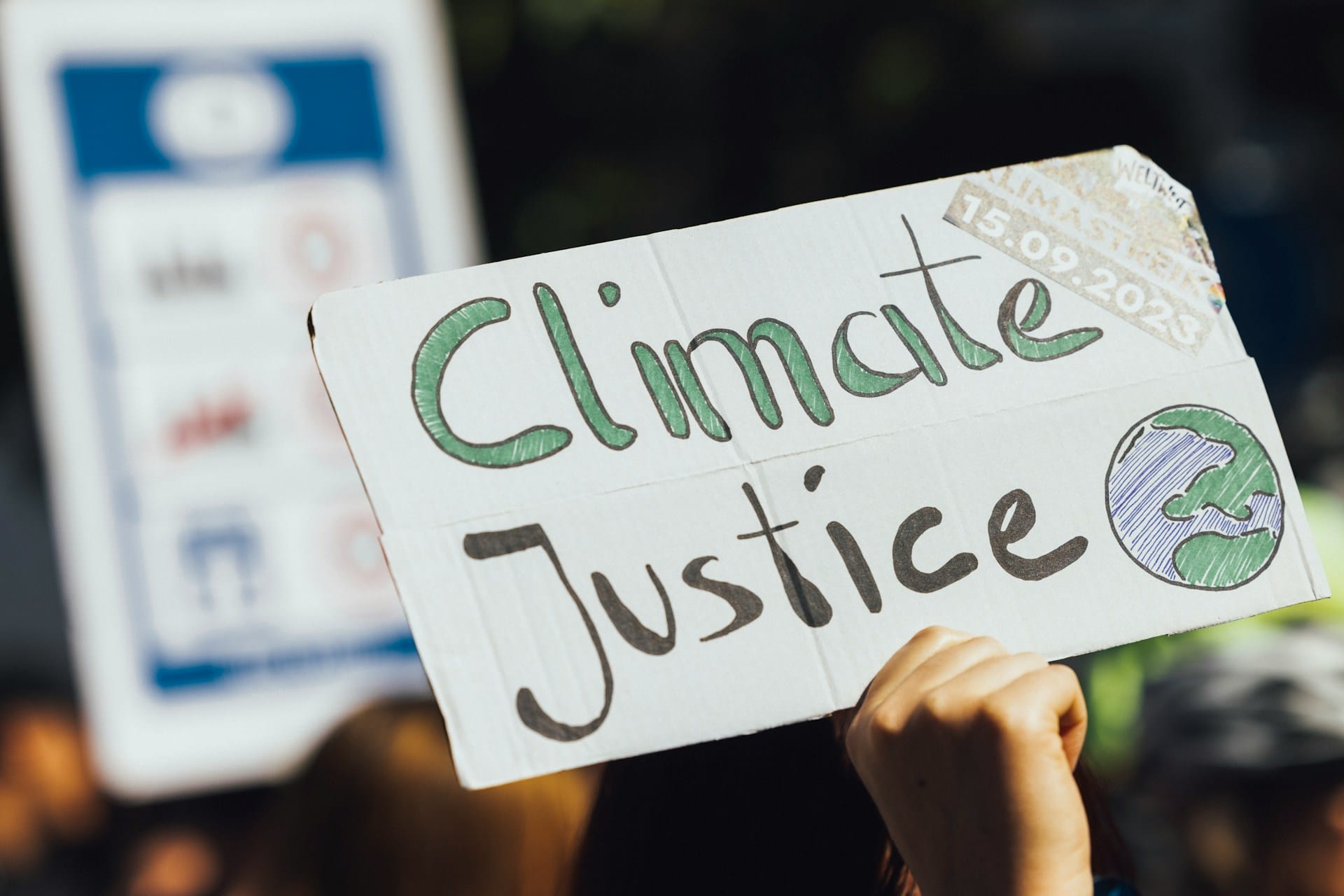
Climate change, defined as long-term shifts in temperatures and weather patterns, represents the most significant challenge of the 21st century. While natural forces have always influenced the climate, the rapid and profound changes observed since the 19th century are overwhelmingly attributable to human activities. Understanding this challenge requires tracing its scientific roots, analyzing the history of global response, and recognizing its direct threat to human existence and sustainable development.
The Science and Causes
The science behind climate change is rooted in the Greenhouse Effect, a natural process essential for life. Gases like carbon dioxide (CO2), methane (CH4), and nitrous oxide (N2O) in the atmosphere trap some of the Sun's outgoing infrared radiation, keeping the planet warm. However, since the Industrial Revolution, the extensive burning of fossil fuels (coal, oil, and gas) for energy, coupled with large-scale deforestation and unsustainable agricultural practices, has drastically increased the concentration of these gases.
The Intergovernmental Panel on Climate Change (IPCC), composed of thousands of global scientists, has repeatedly confirmed that this enhanced Greenhouse Effect has caused global surface temperatures to rise by approximately 1.1∘C above pre-industrial levels. This warming trend is unequivocal and is accelerating faster than at any point in recorded human history.
History of Global Recognition and Conventions
The political recognition of this crisis evolved from early scientific warnings. The establishment of the Intergovernmental Panel on Climate Change (IPCC) in 1988 provided the scientific bedrock for policy. This led to the 1992 United Nations Framework Convention on Climate Change (UNFCCC), which set the framework for international cooperation.
Subsequent Conferences of the Parties (COPs) pushed for action. The 1997 Kyoto Protocol (COP 3) introduced the first legally binding emission reduction targets for developed nations. The most pivotal moment, however, was the Paris Agreement in 2015 (COP 21), which introduced a "bottom-up" approach. Under this agreement, nearly every nation committed to setting and pursuing its own emission reduction targets, known as Nationally Determined Contributions (NDCs), with the central aim of limiting global warming to well below 2∘C, and preferably 1.5∘C. Recent COPs, such as COP 28 in Dubai, have continued to reinforce the urgency, including, for the first time, an explicit call to transition away from fossil fuels.
Impacts and the Sustainable Development Nexus
The impacts of this warming are widespread and cascading, threatening the foundational pillars of civilization. They include:
- Extreme Weather: Increased frequency and intensity of heatwaves, floods, droughts, and tropical cyclones.
- Sea Level Rise: Caused by melting glaciers and the thermal expansion of the ocean, directly threatening low-lying coastal regions and small island states.
- Food Insecurity: Disruptions to rainfall patterns, combined with heat stress, are reducing crop yields for staple foods, increasing the risk of widespread hunger.
- Health Risks: The expansion of vector-borne diseases (like malaria and dengue) and increased mortality from extreme heat.
These impacts directly undermine the 17 Sustainable Development Goals (SDGs) established by the UN. Climate change is not merely an environmental issue; it is a threat multiplier that jeopardizes the achievement of goals like SDG 1 (No Poverty), SDG 2 (Zero Hunger), and SDG 3 (Good Health and Well-being). For instance, achieving SDG 7 (Affordable and Clean Energy) by transitioning from fossil fuels to renewables is a vital climate mitigation action, which simultaneously reduces air pollution and improves public health, illustrating a powerful synergy between climate action and sustainable development. If climate change remains unchecked, progress made in poverty reduction and public health over the last few decades will be reversed.
Modifying and Threatening Human Existence
The gravest implication of climate change is its threat to human security and stability. Beyond the physical damage, a warming world drives competition over scarce resources like water and arable land, exacerbating existing social inequalities and potentially triggering mass climate migration and conflict.
IPCC reports emphasize that crossing the 1.5∘C threshold will lead to irreversible consequences, including the collapse of key ecosystems and pervasive impacts on water and food security. The crisis, therefore, modifies human existence by forcing fundamental shifts in where and how people live, work, and interact. To ensure a livable and sustainable future, global efforts must accelerate the shift towards decarbonization and climate-resilient development this decade.

About Manoshi Bhuiyan
Manoshi Bhuiyan is an Environmental Science and Resource Management graduate with a First Class First academic record, and an aspiring nature-based solutions researcher.
View all posts by Manoshi Bhuiyan