
Blog
From Waste to Wonder — How Biochar Is Made and Used

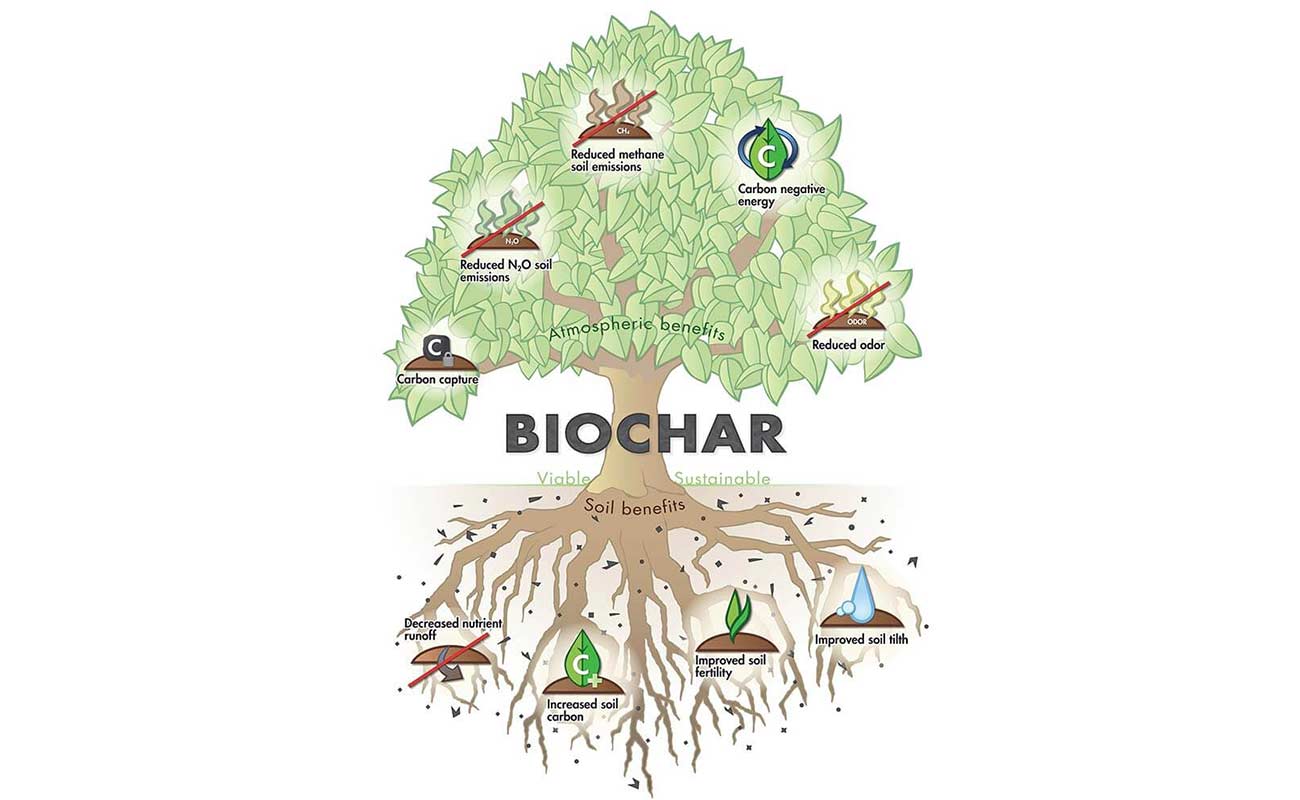
Biochar may sound like a modern innovation, but its production is simple, affordable, and accessible to rural communities. Turning everyday agricultural waste into a soil-enriching material, biochar represents one of the most practical ways to build climate resilience while reducing pollution.
The Science Behind Biochar
Biochar is produced through pyrolysis, a process where organic materials such as rice husks, crop residues, jute sticks, or wood are heated in a low-oxygen environment. Unlike open burning, which releases harmful smoke and greenhouse gases, pyrolysis locks most of the carbon inside the char.
In this process, biomass is slowly heated to around 350–600°C in a sealed or semi-closed container. The outcome is a stable, carbon-rich product—biochar—along with small amounts of bio-oil and syngas that can also be used for energy. Farmers can easily use low-cost kilns or modified metal drums to produce biochar, making it suitable for rural areas with limited resources.
How to Use Biochar Effectively
To gain the best results, biochar must be used properly. Fresh biochar is porous and acts like a sponge—it should be “charged” with nutrients before being applied to soil. This can be done by mixing biochar with compost, cow dung, or organic fertilizer for two to three weeks.
Once activated, it can be used in several ways:
Soil mixing: Blend biochar into the top 10–15 cm of soil.
Compost enhancer: Add to compost piles to improve nutrient retention and reduce odor.
Nursery application: Use in seedbeds to strengthen early plant growth.
The recommended application rate ranges from 2 to 10 tons per hectare, depending on soil condition and crop type. Even small doses can significantly improve soil fertility, moisture retention, and microbial activity.
Proven Benefits for Farmers
Many farmers worldwide are already witnessing biochar’s advantages. In India, biochar made from rice husks improved water retention and increased paddy yields. In Kenya, maize farmers saw up to 30% yield improvement using biochar-compost blends.
Pilot studies in Bangladesh using jute stick and rice husk biochar have shown healthier soils, stronger root systems, and reduced dependence on chemical fertilizers. These success stories show that biochar is not only environmentally sound but also economically rewarding.
A Circular and Sustainable Approach
Biochar production fits perfectly into a circular economy model. Agricultural waste, instead of being burned or dumped, becomes a valuable input that enhances soil, increases crop productivity, and captures carbon for hundreds of years. Communities can generate new income streams through local biochar enterprises, reducing rural waste and promoting sustainable livelihoods.
The Promise for Bangladesh
Bangladesh, an agriculture-based country facing soil degradation and climate stress, stands to gain immensely from biochar adoption. With abundant raw materials like rice husks and jute sticks, biochar can be produced at low cost and applied widely. Establishing community-based biochar centers and providing training to farmers and youth can transform waste management and boost national food security.
Biochar, therefore, is not just a soil amendment—it’s a pathway toward cleaner air, healthier crops, and a greener future for Bangladesh.
————————
By Afrina Momotaj
Climate Smart Agriculturist
